- Ports of Connection: Multidisciplinary Perspectives in ELT
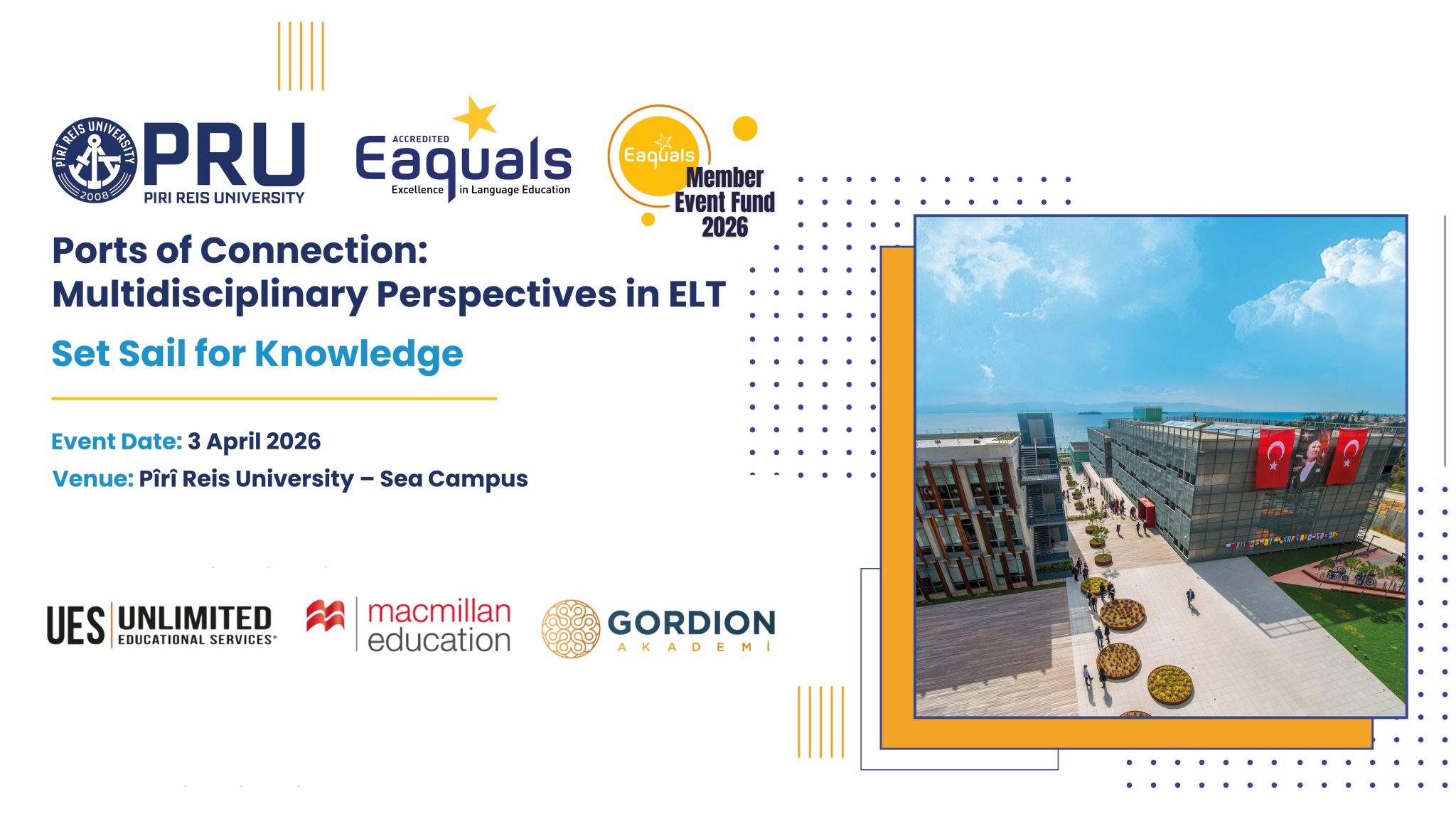
Ports of Connection: Multidisciplinary Perspectives in ELT
Goals
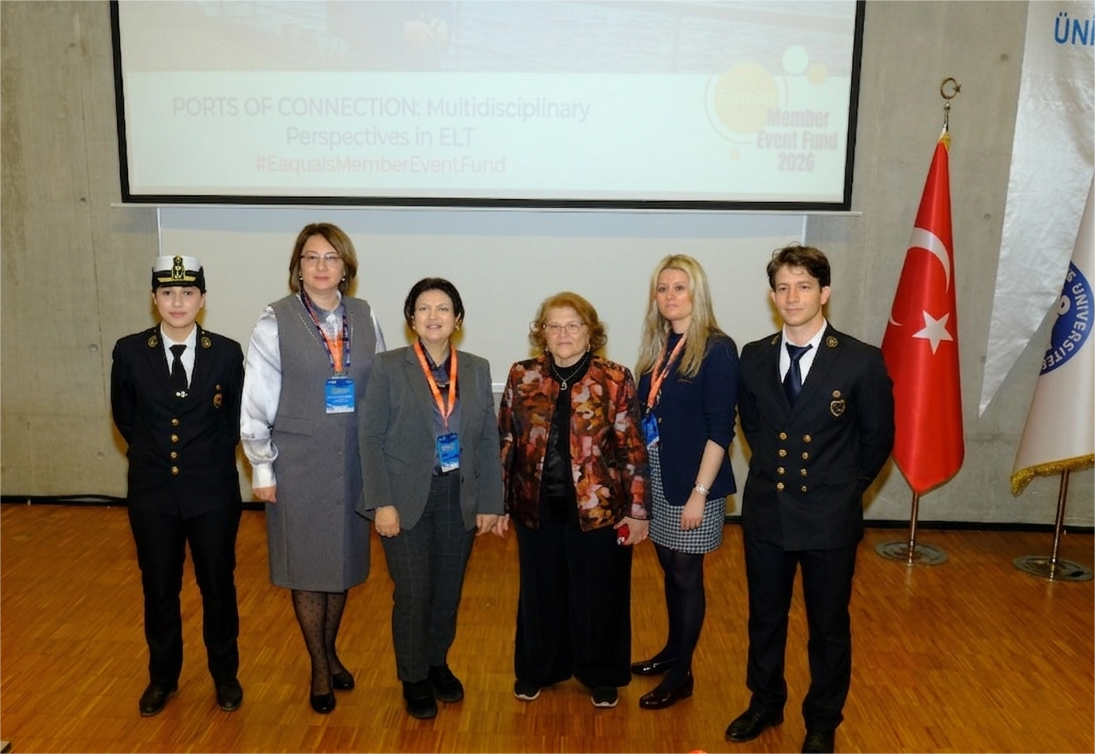
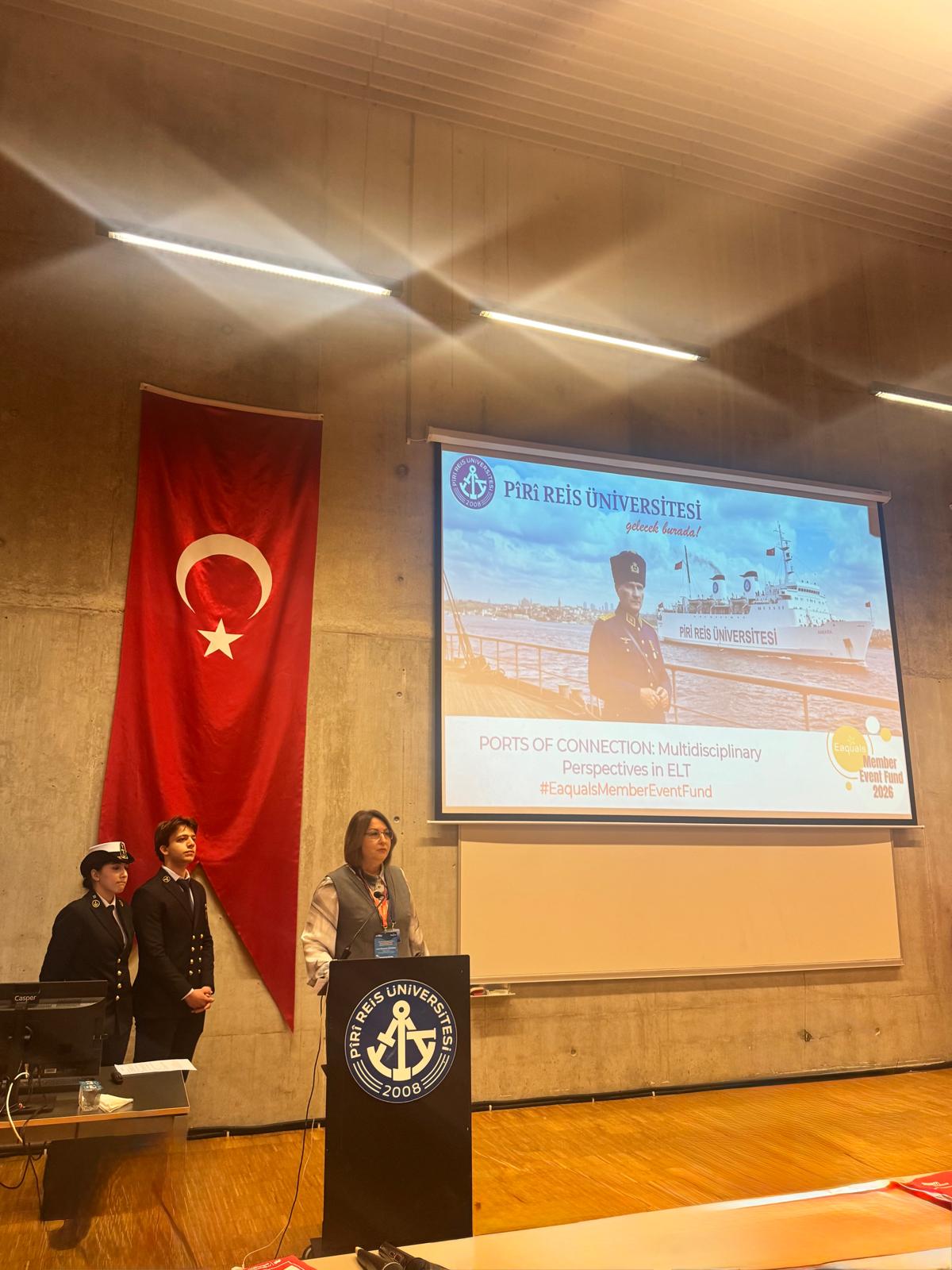
The “Ports of Connection: Multidisciplinary Perspectives in ELT” International Conference, hosted by the Piri Reis University English Preparatory Department in Istanbul on 3 April 2026, successfully brought together English language educators, researchers and practitioners in a dynamic and diverse community. Designed as a one-day academic event, the conference created a vibrant space for collaboration, critical dialogue and the exchange of innovative ideas in the evolving world of English Language Teaching (ELT).
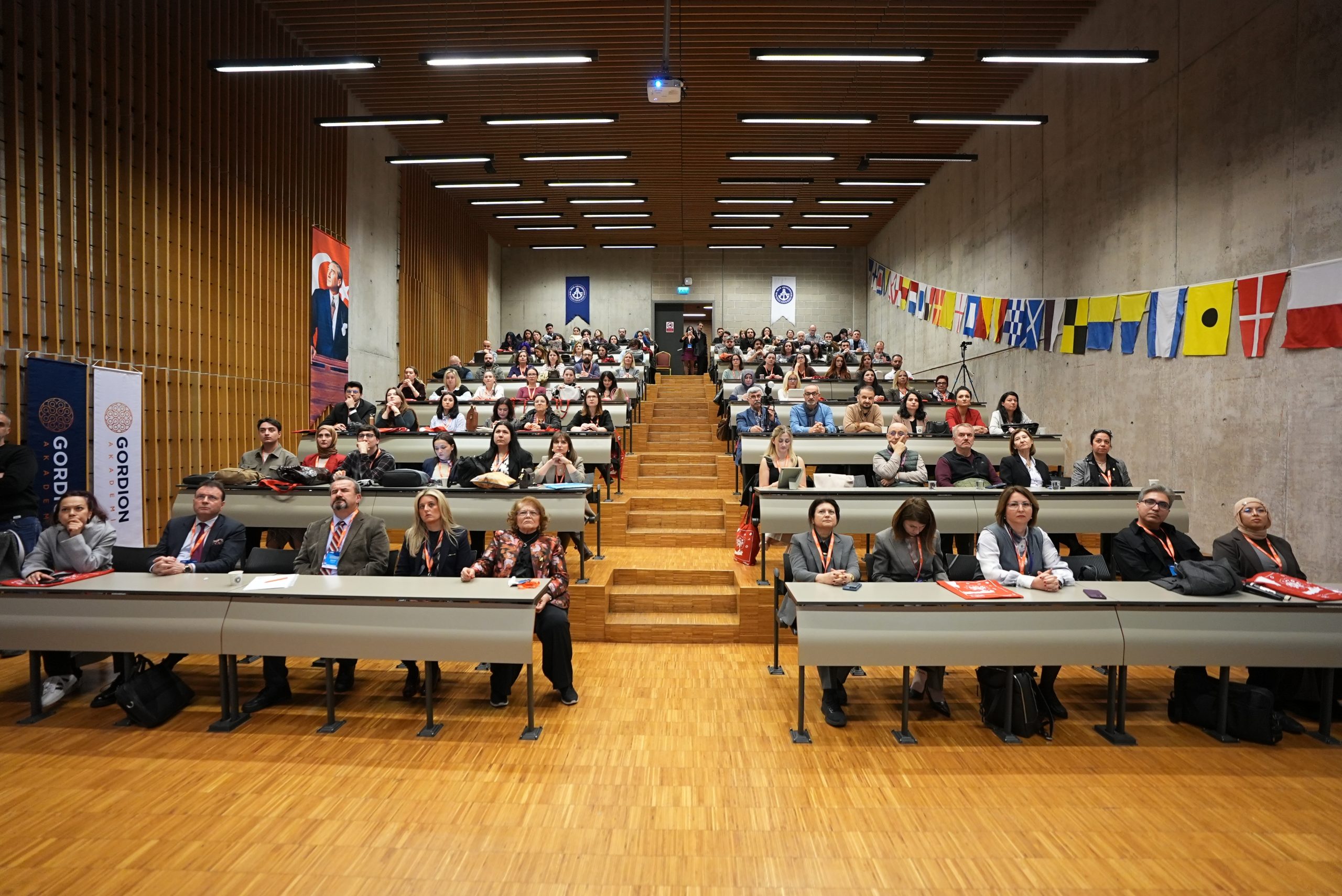
The event welcomed more than one hundred participants from a wide professional and academic spectrum, including university instructors, curriculum designers, teacher trainers and postgraduate researchers. Participants from both national and international institutions contributed to a rich exchange of perspectives on a global scale. This diversity played a key role in fostering meaningful discussions and building new academic and professional connections.
Throughout the day, the conference featured a variety of session types, including keynote speeches, interactive presentations and paper presentations. These sessions addressed both the theoretical and practical dimensions of ELT, offering participants the opportunity to engage with current research and classroom practice. In line with the conference’s core theme of connecting ELT with broader fields of research, strong emphasis was placed on interdisciplinary approaches.
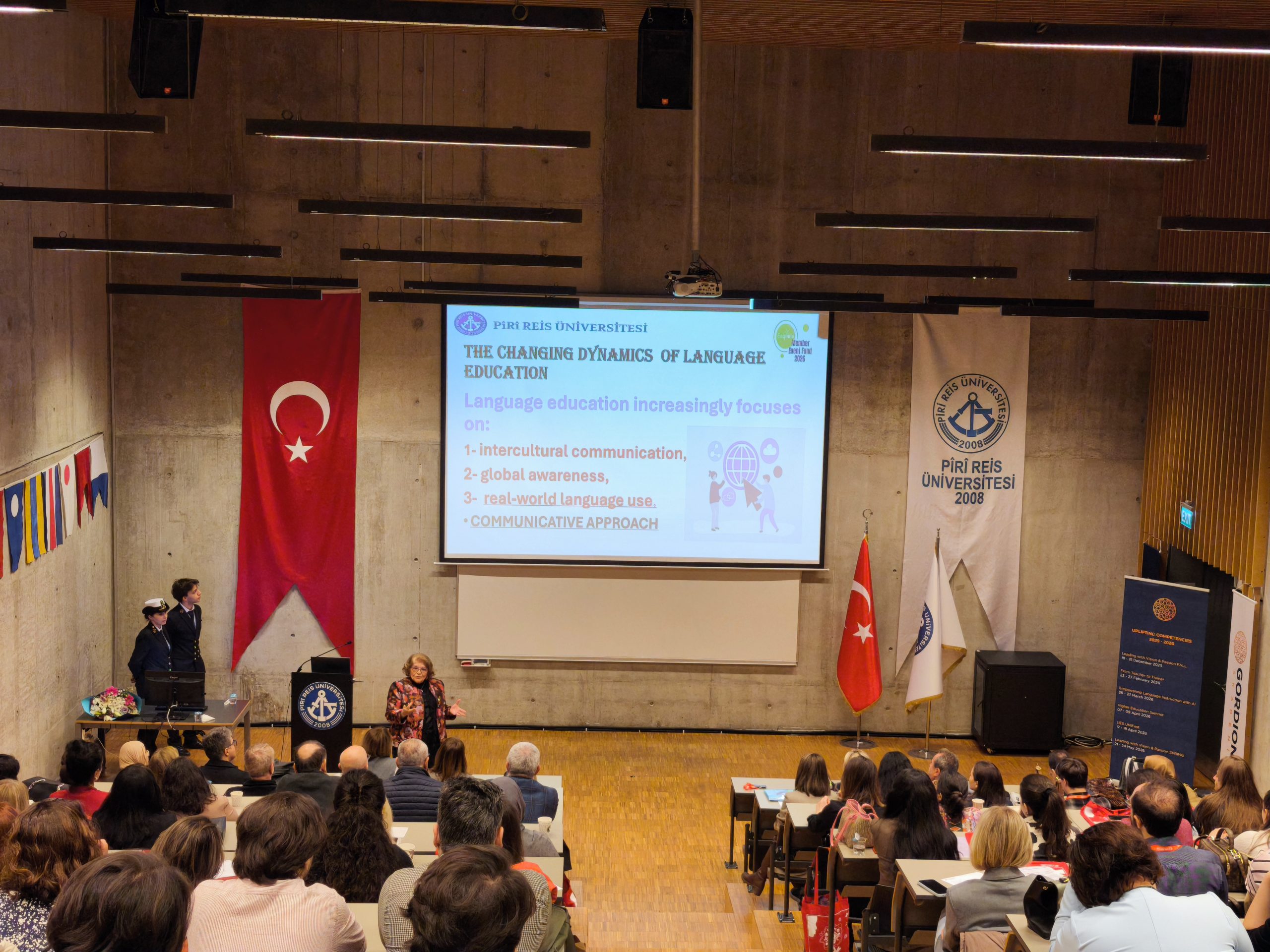
The conference included a keynote session titled “Beyond Language Learning: Positive Psychology, Positive Discipline and Metacognitive Development in 21st-Century Language Classrooms”. This session offered a compelling examination of how contemporary language education can adopt a more holistic and human-centred approach rather than focusing solely on linguistic outcomes. Drawing on key insights from applied linguistics and educational psychology, the speaker highlighted the interconnected roles of emotional well-being, supportive classroom environments and metacognitive awareness in shaping successful language learning.
The keynote session emphasised the following points:
· Fostering positive emotions such as self-confidence and curiosity.
· Applying the principles of positive discipline to build respectful and inclusive classroom communities.
· Developing learners’ strategic awareness through metacognitive practices.
One of the most prominent themes of the conference was the integration of artificial intelligence into language education. Presentations explored the use of generative AI tools, adaptive learning systems and intelligent tutoring technologies, highlighting their potential to personalise learning experiences and support both teachers and students. Relatedly, sessions on technology-enhanced pedagogy examined the use of tools such as gamification, virtual learning environments and digital storytelling to increase student engagement and improve learning outcomes.
Another key area of discussion was the changing role of the language teacher in an increasingly automated and student-centred educational environment. Speakers and participants reflected on evolving teacher identities, the need for continuous professional development and the balance between technological innovation and human-centred teaching practices.
The conference also underlined the importance of research-based practice. Many presentations showcased teacher-led research and corpus-based studies, demonstrating how classroom inquiry can lead to tangible improvements in teaching and learning. In addition, sessions on global standards and education policy, addressing topics such as accreditation, quality assurance and alignment with international frameworks, reinforced the importance of maintaining high standards in ELT provision.
Overall, the conference achieved its aim of strengthening interdisciplinary connections. By examining the intersections of ELT with fields such as psychology, sustainability and the arts, it encouraged participants to think beyond traditional disciplinary boundaries and adopt more holistic approaches to language education.
In conclusion, “Ports of Connection” demonstrated the value of creating spaces where diverse perspectives in ELT meet and grow. The conference not only enabled the immediate sharing of knowledge but also laid the groundwork for future collaborations and innovations. The event stands as a meaningful contribution to the continued development of the international ELT community.