- “Green Fuels for Green Shipping” Workshop Held at Piri Reis University
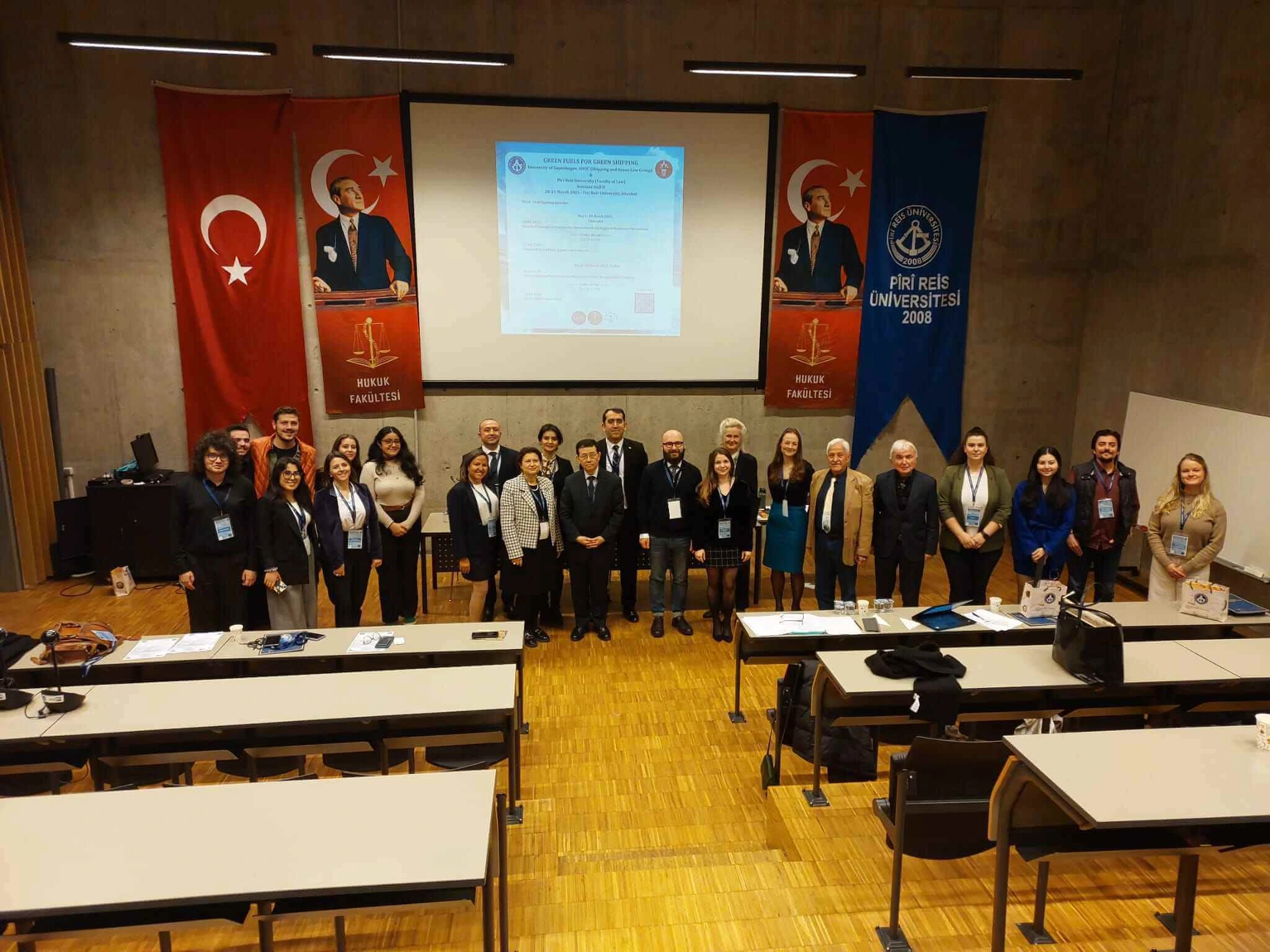
“Green Fuels for Green Shipping” Workshop Held at Piri Reis University
Hedefler
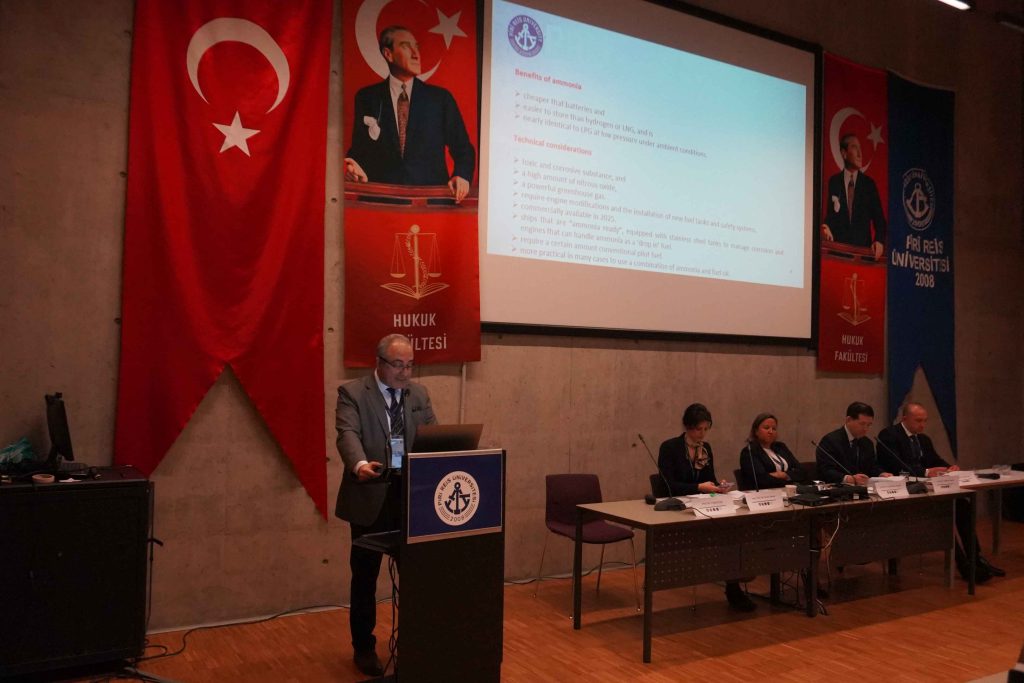
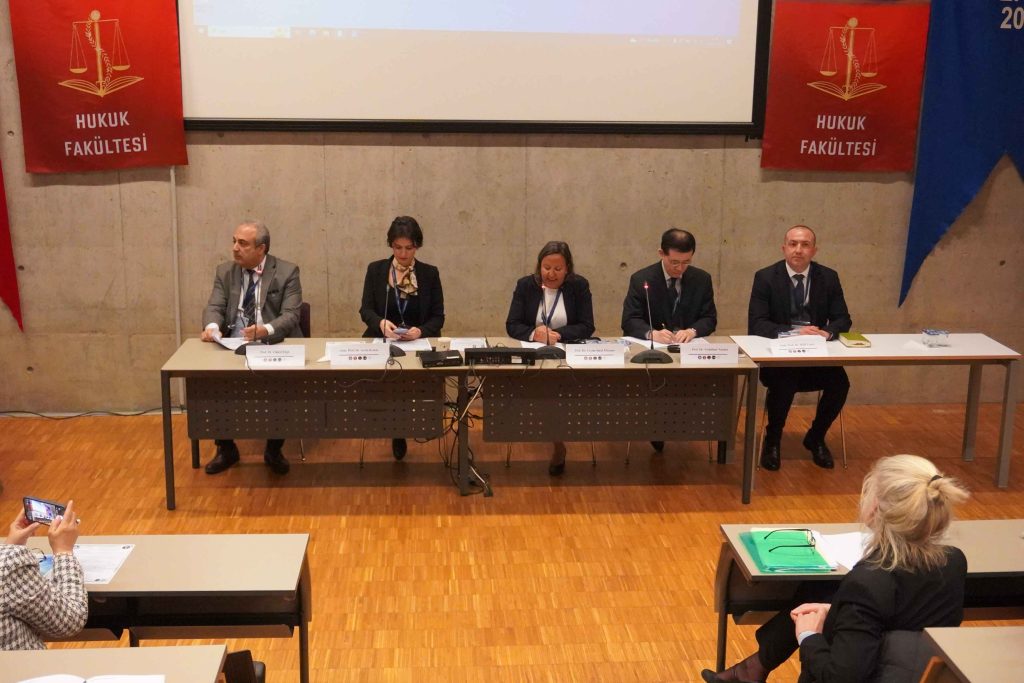
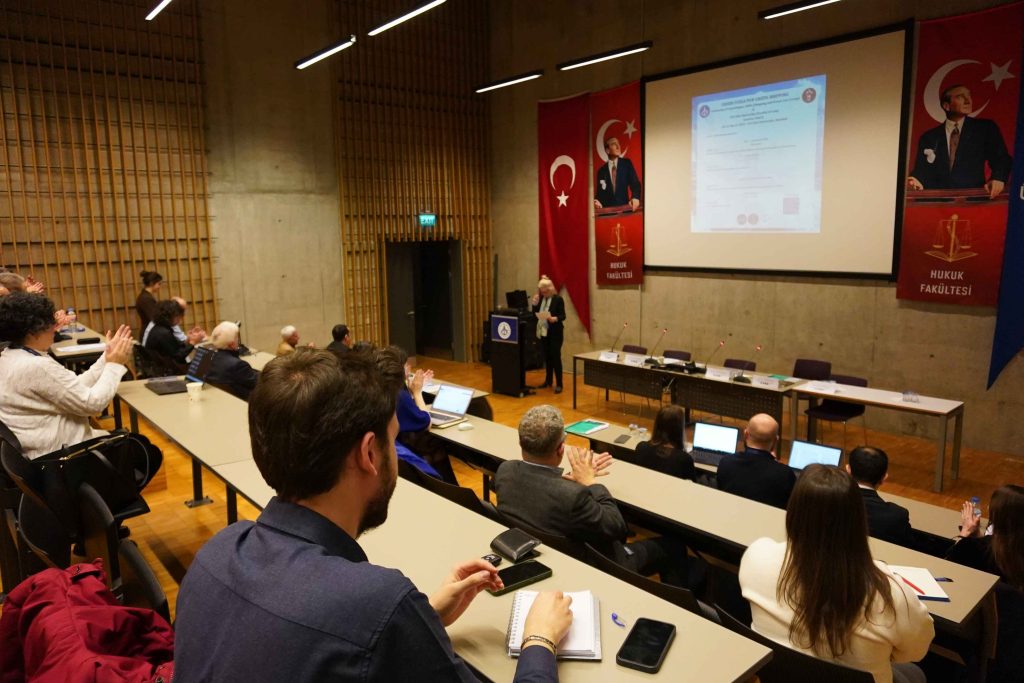
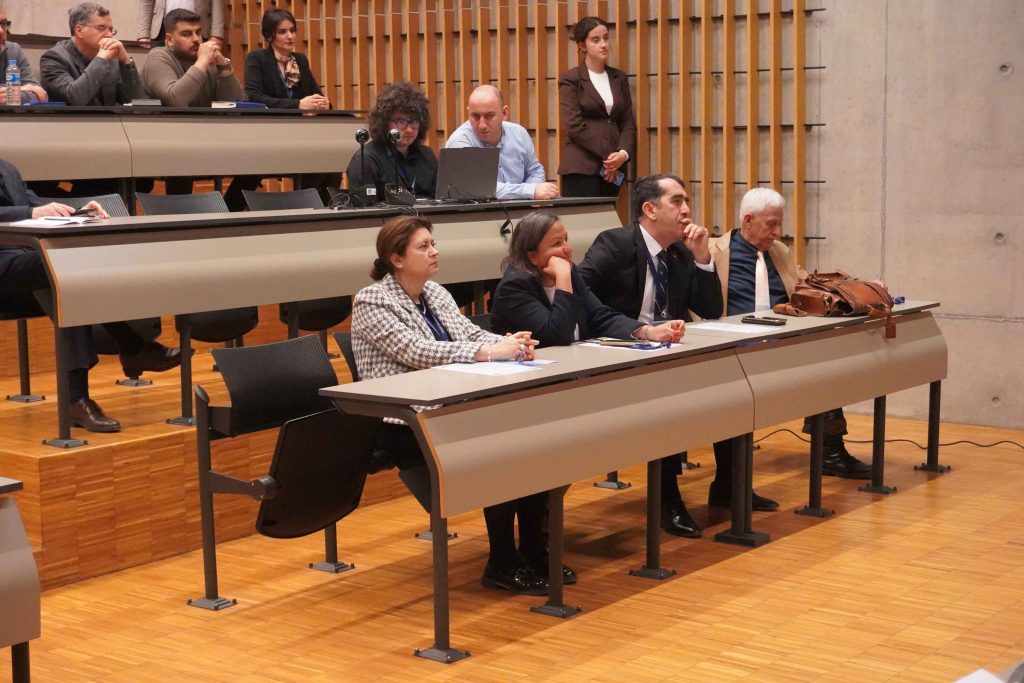
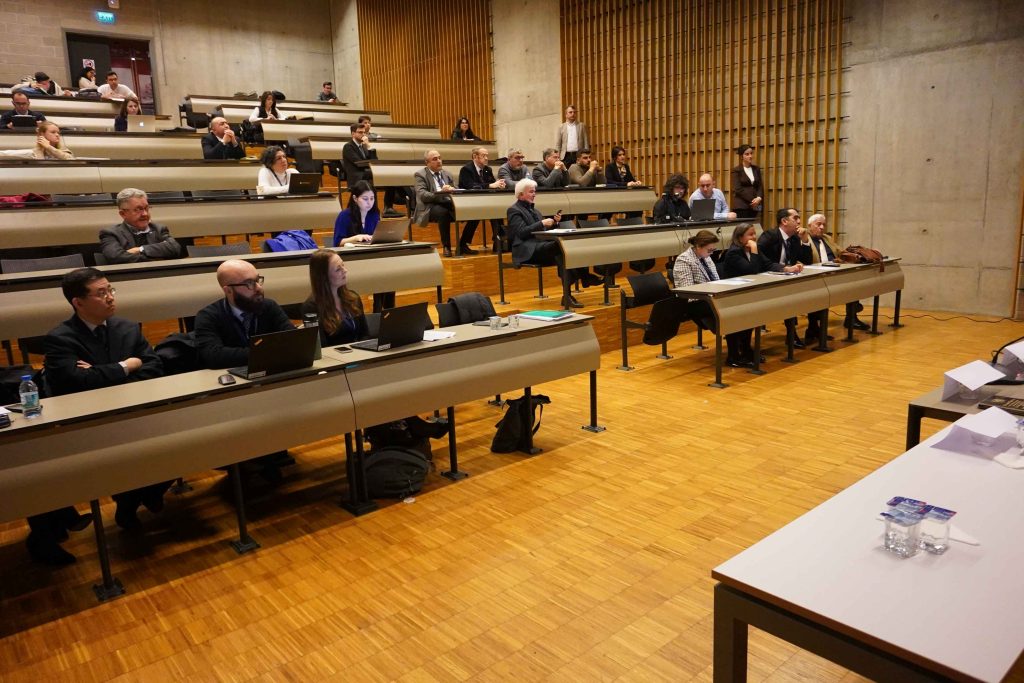
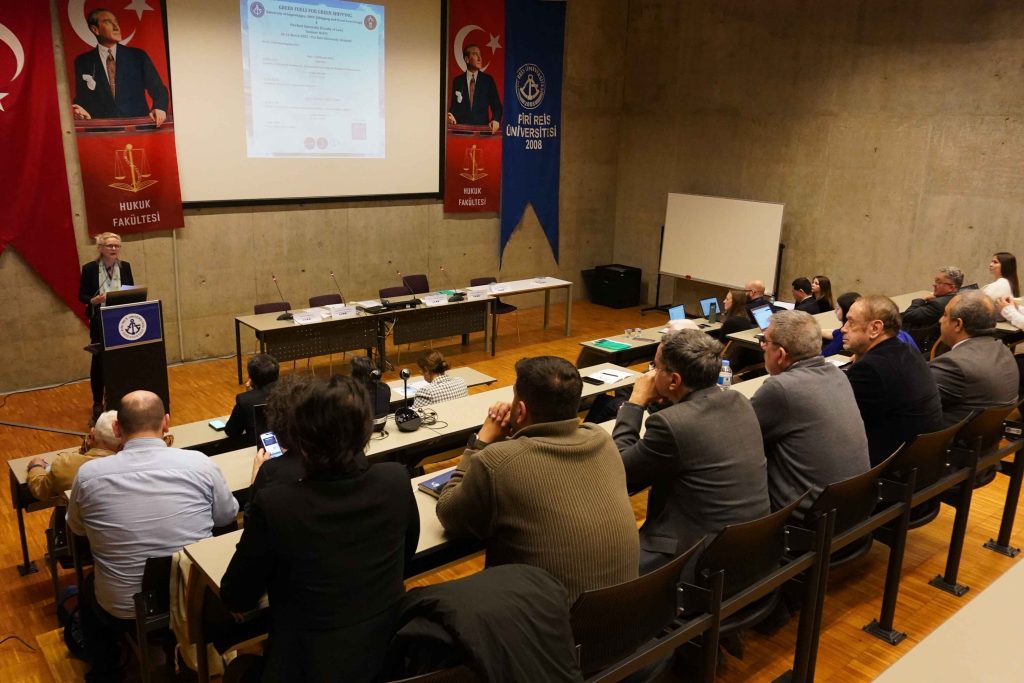
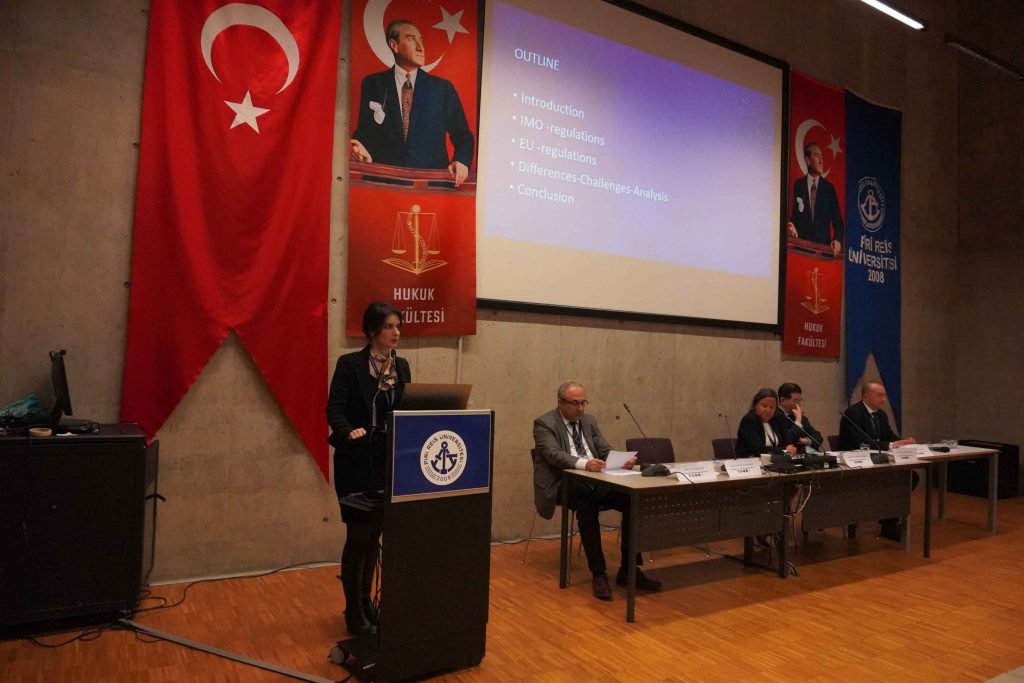
On March 20–21, 2025, our University hosted the “Green Fuels for Green Shipping” workshop, organized by the Faculty of Law in collaboration with the University of Copenhagen’s SHOC (Shipping and Ocean Law Group). The workshop opened with speeches by Vice Rector Prof. Dr. Funda Yercan, Prof. Dr. Sezer Ilgın and Prof. Vibe Ulfbeck. Focusing on sustainability in maritime transport and the use of environmentally friendly fuels, the workshop discussed critical topics such as the integration of green fuels into the maritime sector, their environmental impacts, the importance of international maritime law and energy transition strategies. Participants also exchanged ideas on innovative solutions for the future of maritime transport and the reduction of carbon emissions. The workshop provided valuable insight into how an environmentally friendly transformation can be achieved in the maritime sector.
The organizing committee of the workshop included Prof. Dr. B. Ceyda Süral Efeçınar, Prof. Dr. Vibe Ulfbeck, Asst. Prof. Dr. Aslı Arda and Asst. Prof. Dr. Sevda Keskin. The first day featured the sessions “Conceptual Framework – International and Regional Regulatory Mechanisms” and “Green Fuels, Supply and Contracts.” On the second day, the session “Green Ports for Green Shipping and Safety, Responsibility, Liability” was held, followed by the panel “Where We Go Now?”, where insights were shared on the future of green fuels in the context of both maritime law and various sectors. The workshop, which drew wide participation, concluded with the hope that it will be held again in the future with even closer collaboration.
Following the opening speeches, the first session assessed international and regional regulatory mechanisms. Expert academics gave presentations on the use of green fuels in line with IMO targets, regulations aimed at reducing carbon emissions in the maritime sector and Türkiye’s compliance efforts. Next, under the heading of green fuel supply processes and contracts, the legal nature of the fuel pooling mechanism and strategies for improving energy efficiency were examined.
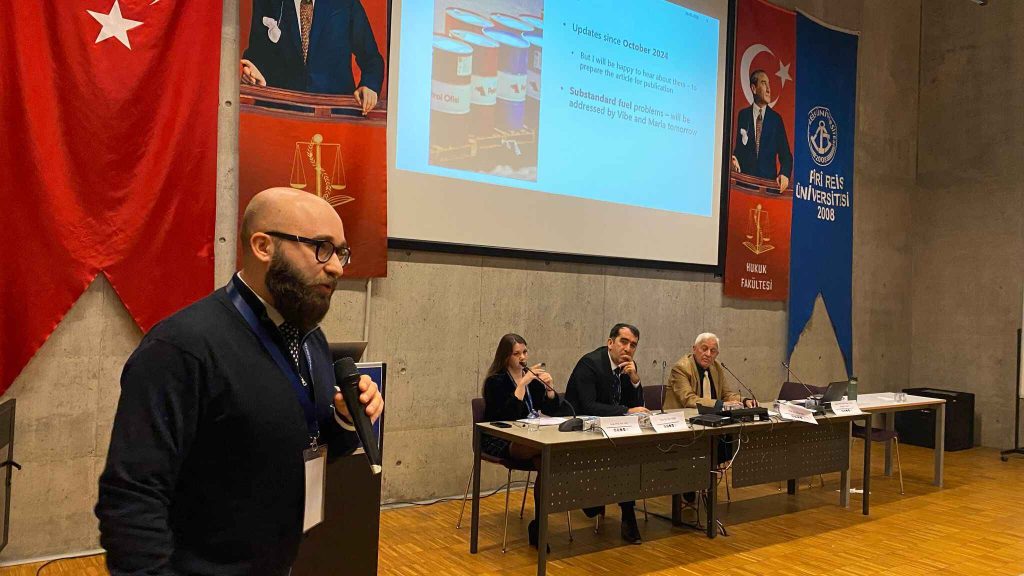
The second day centered on green ports, safety and liability law. The safety risks of alternative fuels, their compliance with marine pollution regulations and the dimensions of legal liability were discussed. Other key topics included tugboat planning models, legal liability for substandard fuels and the effects of alternative fuels on insurance and compensation mechanisms.
Participation in this event is free of charge.